
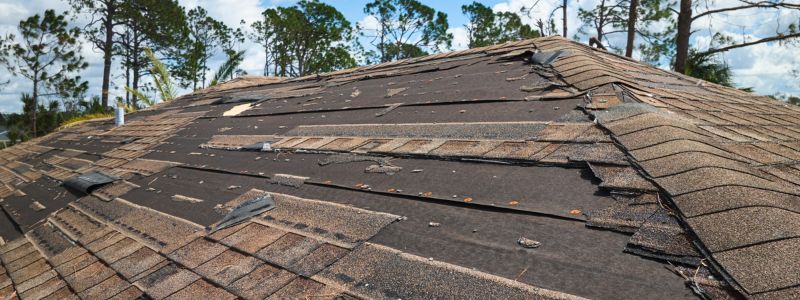
Knowing what to look for can save Connecticut homeowners thousands of dollars in structural damage. This guide covers the five most common warning signs that a Connecticut roof is past repair and needs full replacement.
Sign 1: Shingles Are Curling, Cracking, or Missing
Asphalt shingles that have reached the end of their life begin to curl at the edges—a process called cupping or clawing. In Connecticut's windy climate, curled shingles are a significant vulnerability during nor'easters and summer thunderstorms.
Cracked shingles indicate thermal cycling damage—the repeated expansion and contraction through Connecticut's temperature extremes has caused the shingle material to crack along its surface.
Sign 2: Granule Loss and Bald Spots
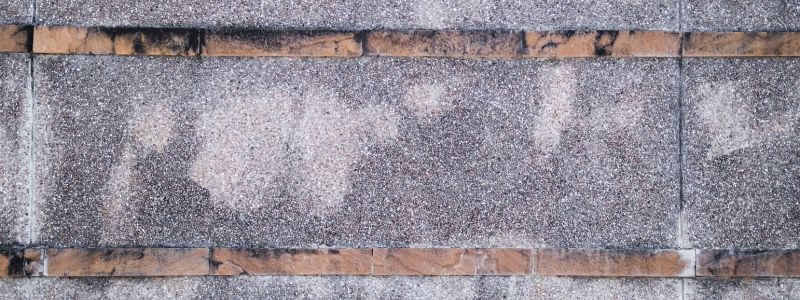
The ceramic granules protect the underlying asphalt from UV degradation. If you are finding significant granule accumulation in your Connecticut gutters, your shingles are telling you they have reached the end of their useful life.
Bald spots are the most advanced form of failure. A roof with multiple bald spots has passed the point where any coating will restore its performance. Replacement is the only solution.
Sign 3: Sagging or Uneven Roof Deck
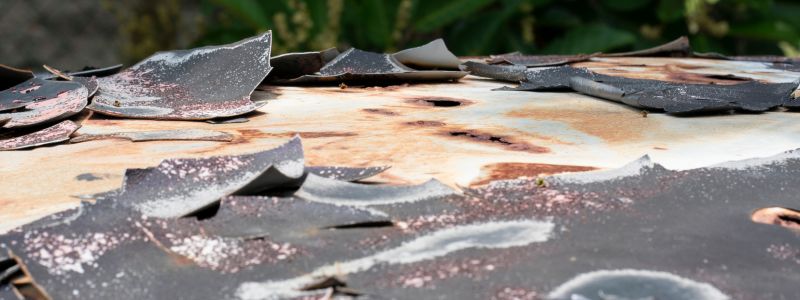
A roof that appears to sag indicates that the roof decking—the plywood sheathing beneath the shingles—has absorbed moisture, rotted, or delaminated. In Connecticut homes, this most commonly results from years of ice dam infiltration.
A sagging roof deck is a structural issue that requires immediate attention. Sergios Roofing inspects and replaces damaged decking as part of the full roof replacement process.
Sign 4: Age and the 20-Year Threshold
In Connecticut's climate—with heavy snowfall and dramatic temperature swings—real-world performance often falls short of warranty periods. A roof past 20 years old should be inspected annually.
Each repair on a system this old simply defers the cost of replacement while allowing additional damage to accumulate. Sergios Roofing provides honest assessments for each property.